Termite Tenting in Ann Arbor, MI
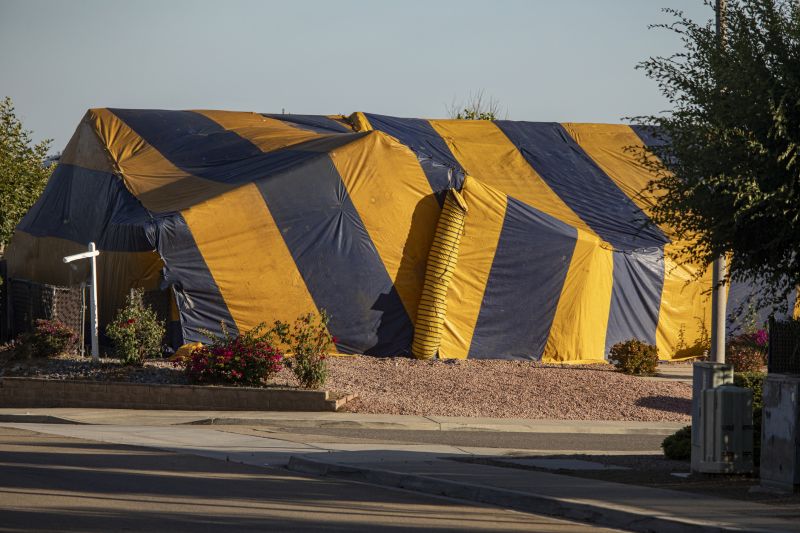
Termite tenting services involve the strategic application of a specialized gas to treat properties infested with or at risk of termite activity. This process typically covers entire homes or structures, including walls, floors, and attics, to eliminate termites and prevent future infestations. Property owners often request this service when traditional methods, such as spot treatments or baiting systems, are insufficient or when a comprehensive solution is needed for severe or widespread termite problems.
Before requesting termite tenting, property owners usually want to understand the scope of the treatment, including the areas that will be affected and any necessary preparations. It is important to consider factors such as evacuation requirements during the treatment, the potential impact on household belongings, and the need for post-treatment clearance. Clarifying these details helps ensure a smooth process and effective results in safeguarding the property from termite damage.
Many property owners in Ann Arbor, MI look into Termite Tenting for repairs, replacements, upgrades, and appearance-related improvements.
Termite Tenting Overview
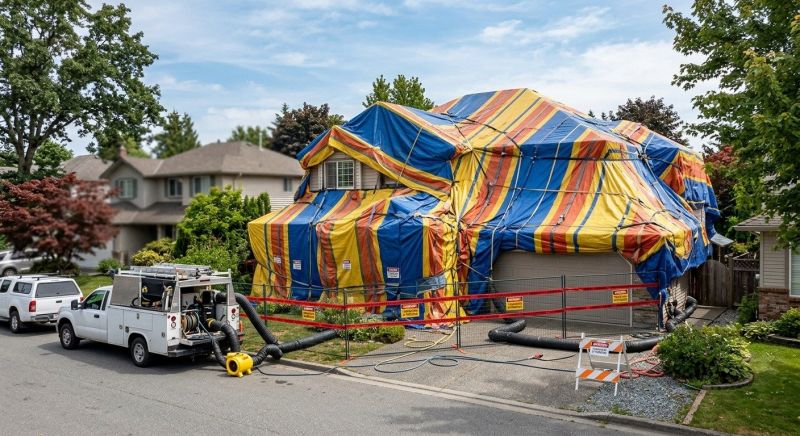
This service provides a comprehensive solution to eliminate termites from residential and commercial properties.
Protecting Your Property
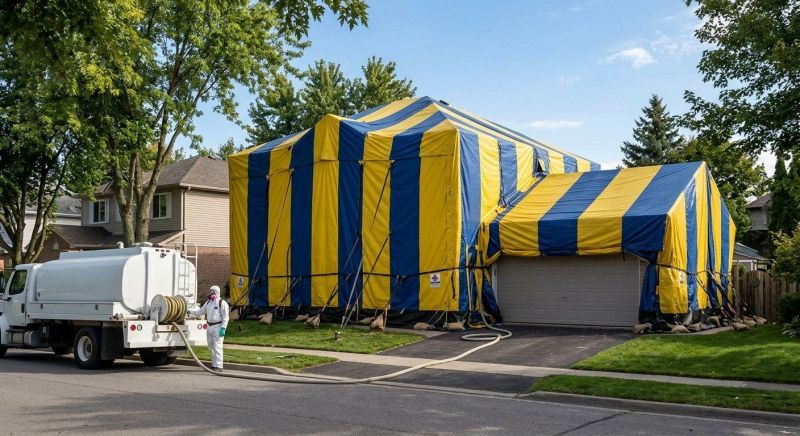
Tenting creates a sealed environment that effectively eradicates termite colonies and prevents future infestations.
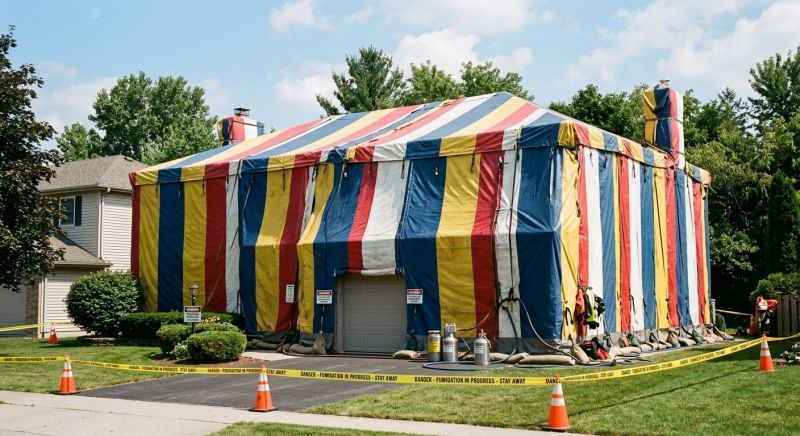
Preparation And Safety
Proper preparation ensures safe and effective treatment, safeguarding the health of occupants and the integrity of the property.
Termite Tenting in Ann Arbor, MI

Termite tenting services involve the strategic application of a specialized gas to treat properties infested with or at risk of termite activity. This process typically covers entire homes or structures, including walls, floors, and attics, to eliminate termites and prevent future infestations. Property owners often request this service when traditional methods, such as spot treatments or baiting systems, are insufficient or when a comprehensive solution is needed for severe or widespread termite problems.
Before requesting termite tenting, property owners usually want to understand the scope of the treatment, including the areas that will be affected and any necessary preparations. It is important to consider factors such as evacuation requirements during the treatment, the potential impact on household belongings, and the need for post-treatment clearance. Clarifying these details helps ensure a smooth process and effective results in safeguarding the property from termite damage.
Many property owners in Ann Arbor, MI look into Termite Tenting for repairs, replacements, upgrades, and appearance-related improvements.
Common Termite Tenting Jobs
Termite Tenting - A treatment method that involves enclosing a property to eliminate termites.
Pre-Construction Tenting - Used before building to protect new structures from termite infestation.
Infestation Eradication - Effective for severe termite colonies within existing homes.
Preventive Tenting - Applied to safeguard properties from future termite damage.
Real Estate Transactions - Often required during property sales to ensure pest-free status.
Structural Protection - Helps preserve the integrity of the building by removing active termites.

Termite Tenting Questions
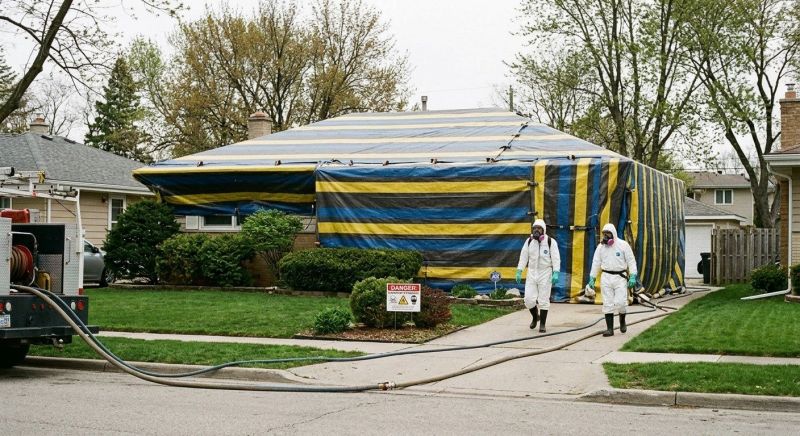
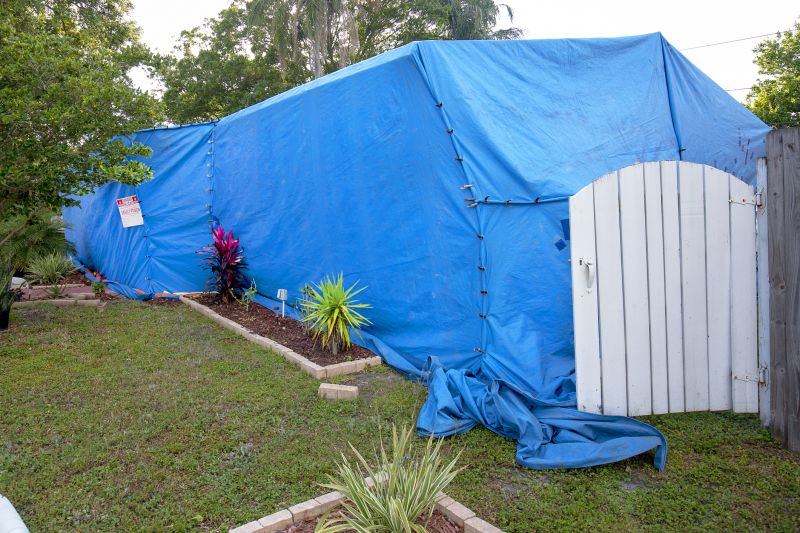
What is termite tenting? Termite tenting involves covering a property with a large tent to contain fumigant gases that eliminate termites throughout the structure.
When is tenting recommended? Tenting is typically used when termite infestations are widespread inside the building and other treatment options are insufficient.
Is the property safe after tenting? The property is safe to re-enter once the fumigant gases have fully dissipated and the area has been properly ventilated.
What types of properties can be tented? Both residential homes and commercial buildings can undergo termite tenting, depending on the extent of the infestation.
Request Termite Tenting in Ann Arbor, MI
Use the quote form on this page to share the basics of your project and request more information for the type of work you need.